Stay Cool When Temperatures Climb Above Ninety
Air Conditioning in Kennewick for homes with weak airflow, warm supply vents, and condensing units that won't start
Empire Electric USA handles air conditioning service for residential properties throughout Kennewick. You depend on your cooling system to lower indoor temperature during summer months when daytime highs routinely reach the mid-nineties and your home absorbs heat through walls, windows, and attic spaces. When your air conditioner runs constantly without lowering temperature, blows warm air from supply vents, or fails to start when you lower the thermostat, the problem often involves low refrigerant, a failed compressor capacitor, a clogged evaporator coil, or loose wiring at the contactor that prevents the outdoor unit from energizing.
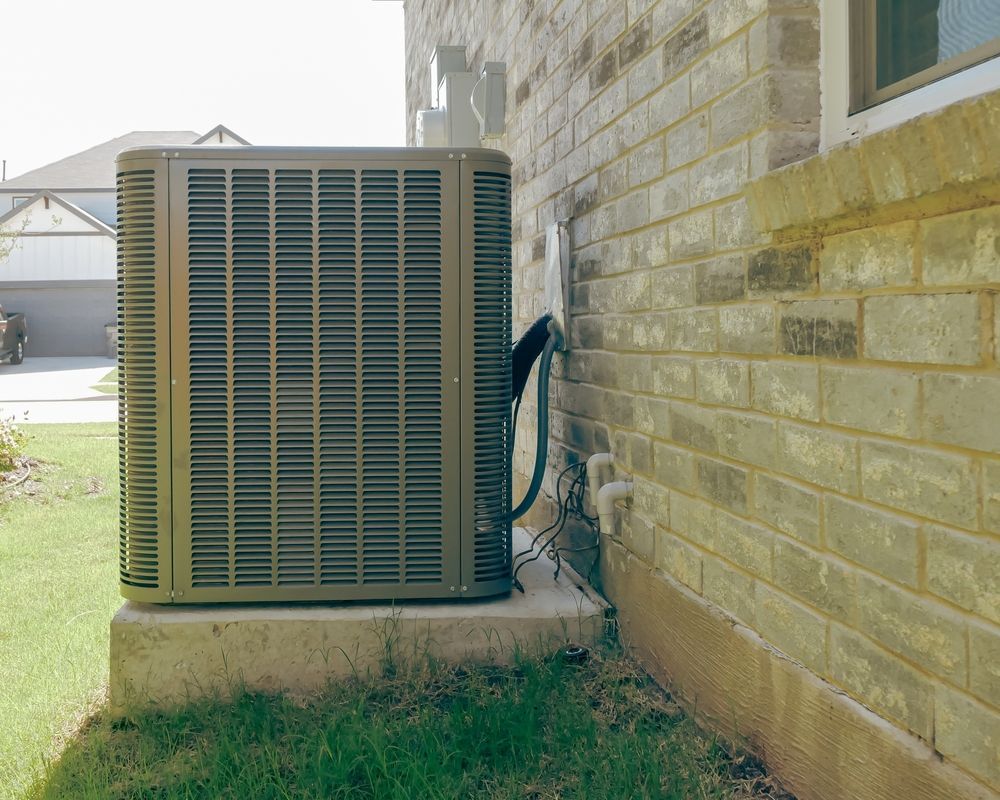
This service covers split systems with indoor air handlers and outdoor condensing units, as well as packaged units mounted on rooftops or ground pads. Work includes checking voltage at disconnect boxes, measuring refrigerant pressures on both high and low sides, testing compressor windings for shorts or open circuits, and inspecting condenser coils for blockage caused by cottonwood seeds and dust common in the Kennewick area during late spring and early summer. A fully functioning system should reduce indoor temperature by fifteen to twenty degrees below outdoor ambient and maintain humidity at comfortable levels without constant cycling.
Contact the team if your system won't turn on, if indoor temperature climbs above eighty despite the thermostat set to seventy-two, or if you hear buzzing from the outdoor unit without the fan or compressor starting.
How Air Conditioning Repairs Restore Cooling Capacity
Service starts with electrical testing at the outdoor disconnect to confirm proper voltage reaches the unit, followed by inspection of the contactor to ensure contacts close cleanly when the thermostat calls for cooling. Technicians measure capacitor microfarads using a dedicated tester, check compressor amperage against nameplate ratings, and use refrigerant gauges to assess whether charge levels match factory specifications. If refrigerant is low, the line set gets inspected with electronic leak detectors or soap solution to locate the source before adding refrigerant.
After service, you will notice cold air flowing steadily from supply registers, indoor temperature dropping to match your thermostat setting within a reasonable timeframe, and the outdoor unit running smoothly without excessive vibration or loud humming. The compressor cycles on and off in response to indoor temperature changes rather than running continuously, and humidity levels inside the home drop noticeably as the evaporator coil removes moisture from circulating air. Energy usage decreases because the system no longer labors against restrictions or refrigerant imbalances that reduce efficiency.
Repairs may involve replacing start or run capacitors, cleaning condenser coils with coil cleaner and a garden hose, tightening electrical connections at the contactor and compressor terminals, or adding refrigerant after repairing leaks in brazed joints. This service does not include replacement of compressors or air handlers, nor does it cover ductwork replacement or insulation upgrades. Work focuses on restoring normal function to existing cooling equipment through component repair and system rebalancing.
Answers to Air Conditioning Questions in Kennewick
These responses address frequent concerns about cooling system performance, repair timing, and what affects efficiency during Kennewick summers.
What causes an air conditioner to freeze up during hot weather?
Freezing during cooling mode typically results from restricted airflow across the evaporator coil due to a clogged filter, a blower motor running too slowly, or low refrigerant charge that drops coil temperature below the dew point. Ice forms on refrigerant lines and blocks further heat absorption.
How do you know if a capacitor has failed in the outdoor unit?
A failed capacitor prevents the compressor or condenser fan from starting, often producing a humming sound without any motor rotation. You can test capacitors with a multimeter set to capacitance mode, comparing measured microfarads against the rating printed on the capacitor label.
When should condenser coils be cleaned in Kennewick?
Condenser coils should be inspected and cleaned in late spring before peak cooling season, especially in Kennewick where cottonwood seeds and agricultural dust accumulate on coil fins and restrict airflow. Blocked coils raise head pressure and reduce system efficiency.
Why does the thermostat show cooling mode but no cold air comes from vents?
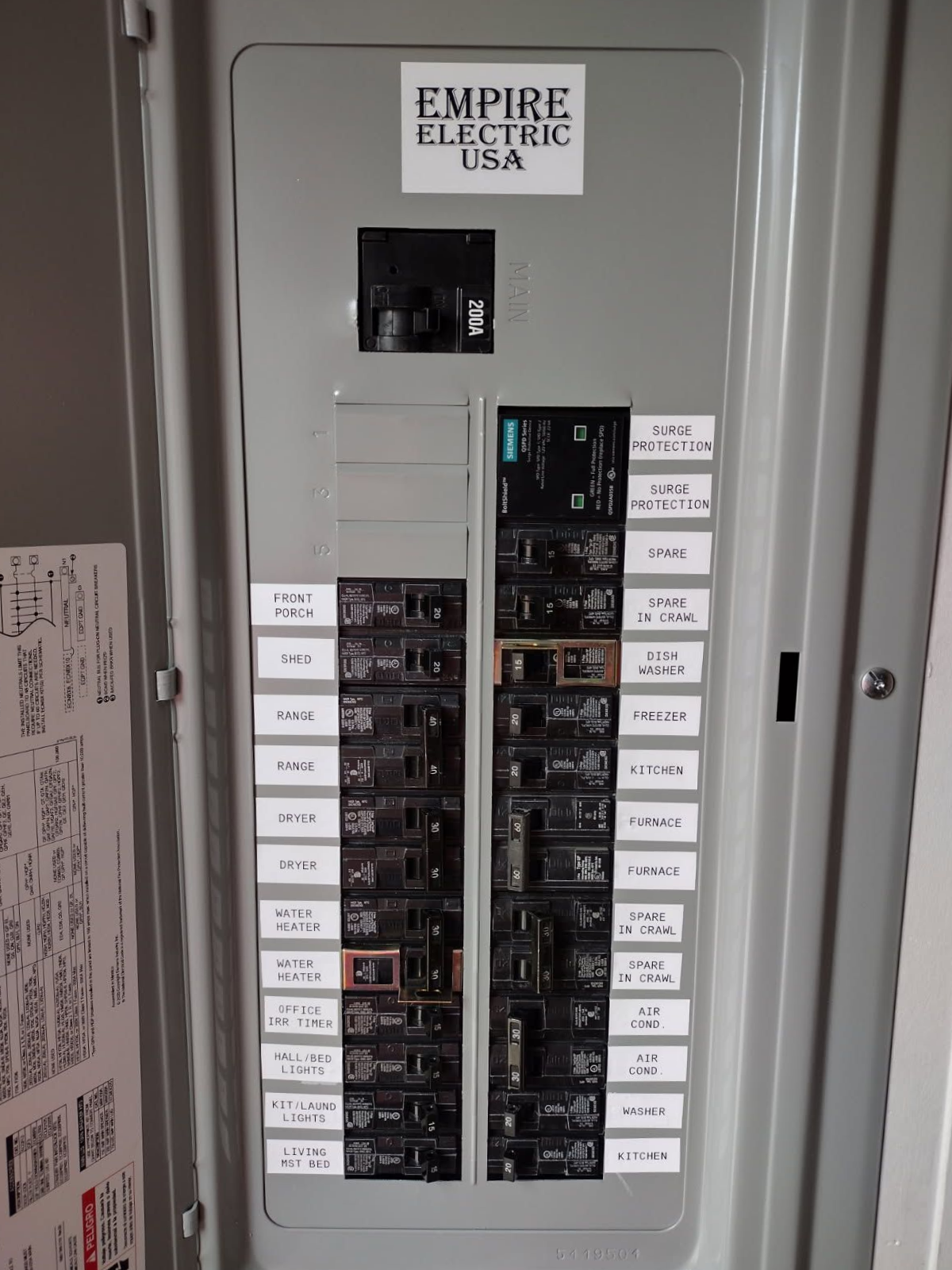
This situation suggests the indoor blower runs but the outdoor unit does not, often caused by a tripped breaker, a failed contactor, or a bad capacitor that prevents compressor startup. You may also have a defective thermostat that sends incorrect signals to the control board.
What refrigerant pressures indicate proper system charge during operation?
Proper pressures vary by refrigerant type and outdoor temperature, but typical R-410A systems run around 120 pounds per square inch on the low side and 300 to 400 pounds on the high side when outdoor temperature reaches ninety degrees. Readings outside these ranges suggest undercharge, overcharge, or airflow problems.
Empire Electric USA provides air conditioning service throughout Kennewick for homes that need cooling system diagnostics, refrigerant management, or electrical repairs to restore reliable operation. Reach out when your system stops cooling effectively or when you notice unusual sounds or odors from the indoor or outdoor unit.